
Before party, before tribe, before the day’s outrage, we are Americans first, and that is a discipline, not a slogan
It is important, especially at this moment in our nation’s history, to remember that we are Americans.
Not first as members of a party. Not first as residents of a region, a class, or a tribe. Not first as consumers of the day’s outrage. We are Americans first. That is not a slogan to be waved and then forgotten. It is a discipline. It is a standard we either live by or slowly abandon.
Nine years ago, on August 18, 2017, I wrote those words because I believed we were in danger of forgetting them. I believe it still—the details of any given year change. The temptation does not. We are always one argument away from treating our neighbors as opponents to be defeated rather than fellow citizens to be persuaded, protected, and, when necessary, forgiven.
To remember that we are Americans is to remember what that name requires of us.
Equality Is Not a Mood
As Americans, we steadfastly and unwaveringly believe that all men are created equal.
That claim is older than our parties and larger than our preferences. It does not mean we are identical in talent, luck, or circumstance. It means no person is born with a rightful claim to rule another, and no person is born beneath the protection of the law. It means the child in the next neighborhood, the immigrant at the courthouse, the worker on the night shift, and the neighbor with whom we disagree are not extras in our story. They are equal in dignity.
Belief, however, is cheap if it stays in the mouth. Equality is affirmed by what we say and by what we do. We affirm it when we insist on equal justice, not favored justice. We affirm it when we refuse to excuse cruelty because it is aimed at people we dislike. We affirm it when we measure a policy not only by whether it helps “our side,” but by whether it treats people as people.
A nation that recites equality and practices contempt is not remembering America. It is performing it.
Rights That Do Not Come From Us
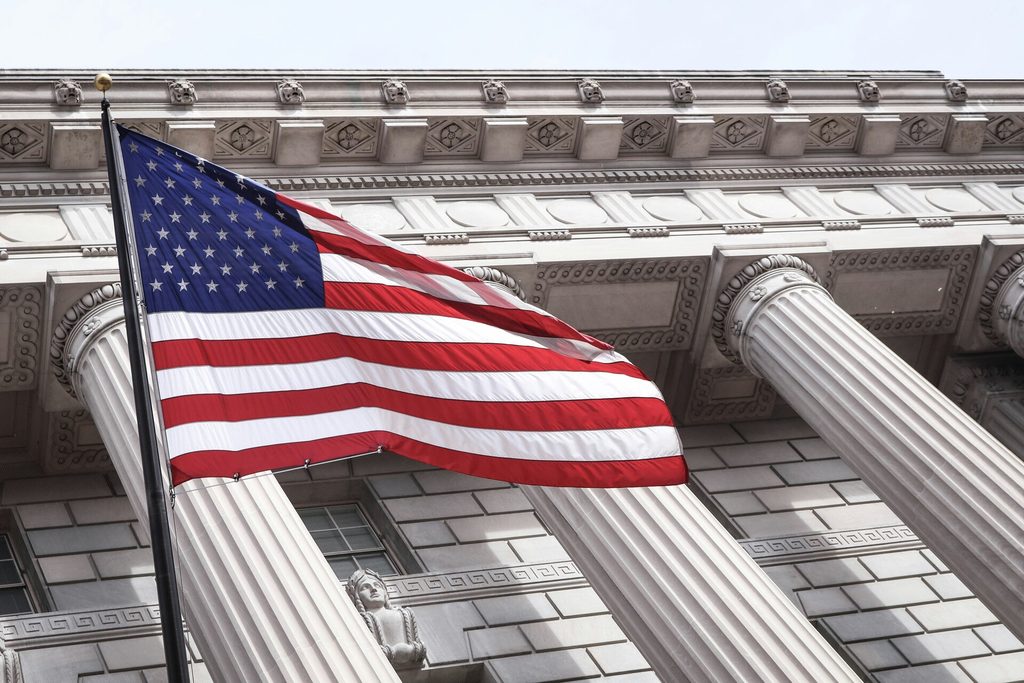
As Americans, we steadfastly and unwaveringly believe that all men have certain unalienable rights.
That is the heart of the American experiment. Rights are not gifts from a majority, a president, a court, or a mob. They are not revoked because a season is fearful or a faction is angry. Life, liberty, and the pursuit of happiness are not branding. They are limits on power, including our own.
Again, the test is conduct. We affirm unalienable rights when we defend them for people who will never vote with us. We affirm them when we accept that speech we hate is still speech, that worship we do not share is still worship, that due process is not a prize for the popular. A right that exists only for the agreeable is not a right. It is a privilege dressed up in patriotic language.
If we only protect liberty when it is convenient, we do not believe in liberty. We believe in winning.
Brotherhood Is a Choice
As Americans, we steadfastly and unwaveringly believe that all men are our brothers.
Brotherhood is not sentimentality. It is a refusal to write anyone out of the human family for the sake of political comfort. It does not require us to pretend that every idea is equal, or that every act is excusable. It requires us to remember that even the person we think is wrong remains a person.
This is harder than slogans. Brotherhood means we can argue fiercely without hoping for someone’s ruin. It means we can love the country without hating the parts of it that embarrass us. It means we recognize that a republic is not held together by unanimity. It is held together by people who still owe one another something after the argument ends.
What We Reject, and What We Accept
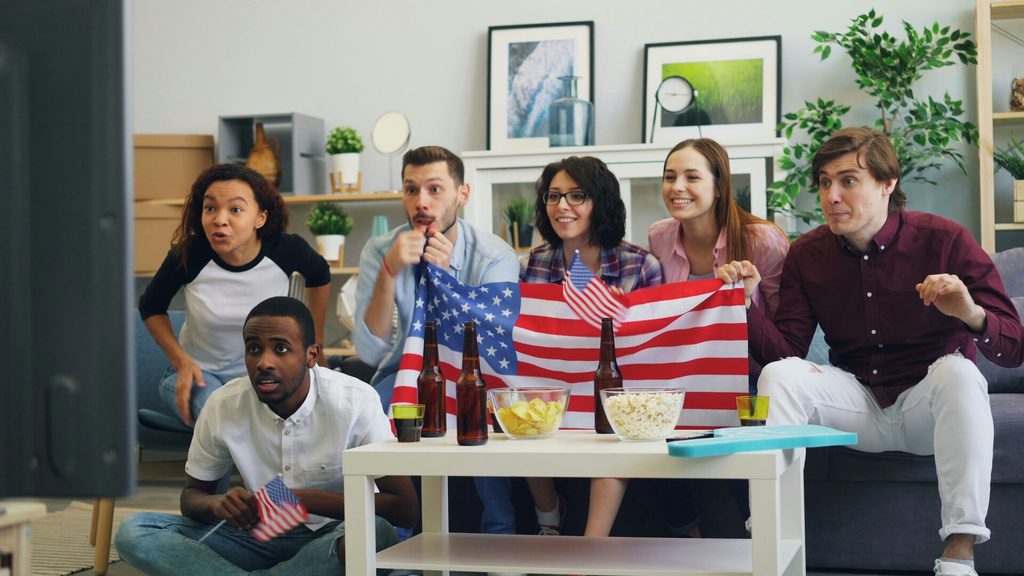
As Americans, we stand together, and we stand strong.
We reject tyranny, racism, violence, hate, bigotry, and fascism in every form. Not in the forms that are fashionable to condemn, and not only when they appear in the other party’s clothing. In every form. The temptation of our age is selective outrage: to see authoritarianism only on the other side of the street, and to treat our own excesses as necessary medicine. That is how free people talk themselves into becoming something else.
We accept, value, and defend liberty, diversity, peace, love, unity, tolerance, and our democracy.
These are not soft words. Liberty is demanding. Diversity is noisy. Peace requires restraint. Love requires will. Unity does not mean sameness; it means a shared commitment to remain one people while remaining free to differ. Tolerance is not the absence of conviction. It is the decision not to turn conviction into permission to degrade others. Democracy is not a mood either. It is the hard work of persuasion, law, honest elections, and the peaceful transfer of power.
We do this not only in speeches. We do it on every corner, on every street, and in every house. Character that exists only on a stage is not character. The country is made in ordinary places: in how we speak to a clerk, how we treat a stranger, how we raise children, how we argue at a dinner table, how we behave when no one is posting about it.
A Nation of Immigrants, a People of Principles
As Americans, we cherish that we are a nation of immigrants, made greater and stronger by our diversity.
This is not a denial of borders, laws, or a nation’s right to govern itself. It is a recognition of fact and of blessing. People came here, and still come here, because the American promise, however imperfectly kept, is real: that a person can begin again, work, worship, speak, and belong. Our strength has never been blood purity. It has been the capacity of different people to become a people under a common creed.
That creed matters more than the heat of any news cycle. As Americans, we put our country ahead of ideology and party. Loyalty to a faction is not patriotism. A party is a tool. When the tool becomes the master, the republic is already in trouble.
But we do not put country ahead of the fundamental principles of liberty and morality upon which the country was founded. “My country, right or wrong” is not a sufficient American creed. The founders did not give us a blank check for power. They gave us a standard. A nation can win arguments, elections, even wars, and still lose itself if it abandons the principles that made the winning worth anything.
What made the country great was not mythic perfection. It was the daring insistence that government exists to secure rights, that power must be limited, that the law should bind the strong as well as the weak, and that a free people must govern themselves without devouring one another. We remember that. Then we work together to preserve, protect, and defend the principles and rights that will keep us great.
Greatness is not a trophy from the past. It is a practice.
Americans First

We must never forget what it means to be an American.
It means equality without erasing the individual. Rights without asking permission from the crowd. Brotherhood without blindness. Strength without cruelty. Pride without contempt. Love of country without hatred of fellow citizens. Diversity without disintegration. Unity without coercion.
It means we are allowed to disagree, and obligated to remain decent while we do it.
The work is not glamorous. It will not always trend. It will not satisfy people who want the nation reduced to a team jersey. It is slower than rage and more demanding than nostalgia. It asks us to be citizens, not merely spectators or combatants.
We must always remember: we are Americans first.
That memory is not automatic. It has to be chosen, spoken, and lived, today, tomorrow, and in every house where this country’s future is being decided, one ordinary act at a time.