
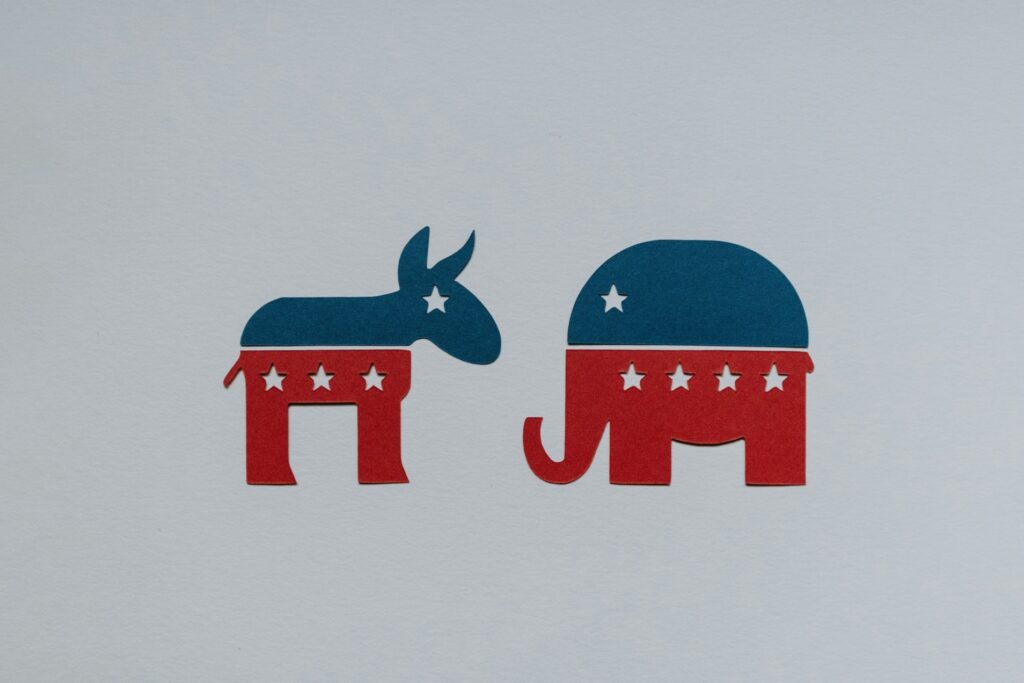

The high cost of tribalism doesn’t care which side is paying.
Treating politics as permanent group warfare, casting half the country as existential enemies, elevating saviors, and measuring success by who loses power damages our capacity for self-government.
This damage occurs when it comes from the right: fear campaigns that reduce neighbors to threats, loyalty tests that punish dissent, and the steady erosion of trust that follows. The same thing occurs when the patterns appear on the left.
A recent widely circulated post offers a clear example.
The piece celebrates a list of progressive elected officials and candidates- Mamdani, AOC, Abdul El-Sayed, Justin Jones, Justin Pearson, Jasmine Crockett, Maxwell Frost as proof that groups once portrayed as villains are now organizing, winning, and “claiming power.” It correctly notes that years of fear-mongering about Muslims, immigrants, Black leaders, and young people can backfire.
Then it pivots. The old order is “slipping through their fingers.” The response is not simply that the table is getting bigger, but an explicit “Good.” The prescription is to take seats across every institution and “hold the damn door open.” The framing is zero-sum, the accountability is one-directional, and the tone is mobilizing rather than deliberative.
That is tribal politics wearing progressive clothes.
The Familiar Moves
Look at the structure. An entire coalition—Trump, the Republican Party, right-wing media, White Christian nationalism, patriarchy— is cast as the unified source of manufactured fear. The progressive figures and the broader project of representation are treated as the unambiguous corrective. This is the mirror image of the right’s habit of reducing the other side to a monolithic threat while exempting its own excesses from scrutiny. Both versions replace evidence and consistent standards with team loyalty and tribal politics.
The power language is equally revealing. “Claiming power,” “taking its rightful seat,” and celebrating the other side’s loss of dominance treat politics primarily as group displacement. Expanding representation and bringing different lived experiences into decision-making rooms is healthy and necessary. Framing those gains as conquest over a permanent “them” is not. It is the same zero-sum logic that turns every election into a battle for cultural survival and every compromise into betrayal. Our neighbors do not become less human when their preferred coalition loses seats; they do not become more virtuous when it gains them.
Savior Framing and Selective Accountability

Savior framing follows the same pattern. Elevating a specific slate of politicians as the rising voice of America and urging young people to see themselves in those faces is not inherently wrong. Treating their success as the decisive break with an oppressive past, while soft-pedaling the risks that any newly empowered group can itself become intolerant or tribal, is the progressive version of the political-savior myth this blog has already rejected.
No list of officeholders will save the republic. Neither will any list of their opponents. Character, institutions, and the daily habits of mutual regard still matter more than which demographic currently holds the gavel.
Selective accountability completes the symmetry. The post focuses almost exclusively on right-wing failures. It does not examine progressive excesses in rhetoric, institutional capture, or intolerance of dissent. That selectivity is the left’s version of the right’s tendency to amplify the other side’s sins while minimizing its own. Consistent standards require naming both.
Why the Parallel Matters
These habits corrode the same civic goods regardless of ideology. They erode social trust. They reward performance over competence. They teach citizens to see fellow Americans as avatars of a hostile coalition rather than neighbors with legitimate interests and different experiences. They make self-government harder because self-government depends on the presumption of good faith and the capacity to deliberate across difference. When either side abandons that presumption, the exhausted majority pays the price in fractured families, gridlocked institutions, and a politics that feels more like permanent warfare than problem-solving.
The data on declining trust, rising political anxiety, and the loneliness that accompanies tribal fragmentation do not break along party lines. The costs land on all of us. Pretending that only one side’s version of tribalism is dangerous simply guarantees that the pattern continues.
The Moderate Alternative
Representation matters. New voices and different backgrounds at the tables where decisions get made can genuinely improve those decisions. Children should be able to look at public life and see people who look or sound like them. That is a legitimate expansion of the American promise. The error lies in treating that expansion as a zero-sum victory parade rather than a shared project of citizenship.
The healthier posture is the moderate approach this blog has urged from the beginning: hold every coalition to the same standards of dignity, evidence, and restraint. Celebrate genuine gains in inclusion without dehumanizing those who worry about the pace or the methods. Reject fear-mongering whether it targets immigrants or targets the people who raise questions about enforcement, crime, or cultural change. Refuse the temptation to treat politics as permanent group conquest. Practice the slower work of listening, local engagement, and consistent accountability.
That work does not trend. It does not produce the emotional high of watching the other side lose. It is, however, the only approach compatible with a diverse republic that intends to remain self-governing.
Naming the Symmetry
The progressive post is right that fear campaigns can backfire and that broader participation is healthy. It is wrong in the same ways the right is often wrong: in the tribal framing, the selective memory, the savior mythology, and the zero-sum celebration of power shifting. Naming that symmetry is not whataboutism. It is the refusal to let any side claim a monopoly on civic virtue or a permanent exemption from the habits that make self-government possible.
The table can get bigger without the conversation becoming a fight over who gets to sit at the head. America was never supposed to belong to one race, one religion, one gender, one generation, or one political tribe. It still does not. The question is whether we will keep treating every expansion of the table as somebody else’s loss, or finally act like citizens who share the same country.
Hold the pattern accountable wherever it appears. Then get back to the harder, quieter work of treating one another as neighbors.