

We scroll past another screaming headline about the latest culture war skirmish, close the app, and lie awake worrying about the grocery bill, next month’s rent, or whether our kids will ever afford a home of their own. For millions of ordinary Americans, the real pressure is not the noise from Washington or viral social media battles. It is the quiet, grinding anxiety of making ends meet in an economy that feels increasingly stacked against working families.
The data confirms what families already feel. According to an AP-NORC poll conducted in December 2025, seven in ten Americans cite at least one economic issue as a top government priority for 2026, with 43 percent specifically mentioning personal finances, up sharply from 31 percent the year before.
A January 2026 New York Times/Siena poll found that 65 percent of voters believe a middle-class lifestyle is out of reach for most people, and 77 percent say it has become harder to achieve than a generation ago. A Gallup survey from April 2026 found a record 55 percent of Americans say their financial situation is getting worse, marking the fifth consecutive year in which more Americans say their finances are deteriorating than improving.
While pundits chase the latest scandal, families are calculating whether to stretch leftovers another day or skip the doctor to save money. Inflation’s lingering effects, combined with rising housing, healthcare, and education costs, have left many feeling the American Dream is slipping away. This anxiety does not belong to one political tribe. It belongs to almost everyone trying to build a decent life.
The Daily Grind Behind the Headlines
Economic anxiety touches every generation, but hits younger families and the middle class hardest. Parents lie awake wondering how to pay for childcare so both can work, or whether their teenager will graduate with crushing student debt and no clear path forward. Retirees watch their fixed incomes erode as prices for essentials rise.
Even those with decent jobs feel one emergency away from disaster, whether that emergency comes in the form of medical bills, a car repair, or a sudden layoff.
This is not abstract. It is choosing between filling the gas tank and buying fresh produce. It is delaying home repairs or family vacations that once seemed normal. It is the exhaustion of treading water while headlines celebrate abstract ideological victories that do nothing to lower the grocery total.
A CNN/SSRS poll from May 2026 found that 76 percent of Americans identify the cost of living as their biggest economic concern, a sharp rise from 58 percent in April 2025. Seven in ten residents nationally say the cost of living in their area is not very affordable or not affordable at all, according to the Marist Poll.
Among all the stressors Americans carry into 2026, the National Endowment for Financial Education found that 88 percent report some form of financial stress and 77 percent say they experienced a financial setback in 2025, among the highest figures recorded in nearly a decade of polling on financial wellbeing.
When families struggle to breathe financially, the appetite for endless partisan fights diminishes. People crave stability, opportunity for their children, and relief from the daily squeeze far more than another round of performative anger on cable news—the exhaustion with tribal politics that so many Americans feel stems directly from these pressures. Constant division distracts from the shared economic realities affecting everyone trying to build a decent life.
When Wealth Shapes Politics

Compounding this anxiety is a growing sense that those at the very top have lost touch with everyday struggles. A small class of extraordinarily wealthy individuals wields outsized influence over politics and policy, often through massive campaign donations, super PACs, and direct roles in government. Their wealth translates into access and power that shape rules in ways that can feel entirely disconnected from the grocery aisle or the mortgage payment.
Many in this elite circle live in environments far removed from stagnant wages or skyrocketing rents. They may advocate for policies that sound sensible in theory, whether global trade deals, deregulation, or particular tax structures, while the real-world consequences for a single mother working two jobs or a factory worker watching automation reshape their industry receive little weight.
Record outside spending in recent election cycles, documented by OpenSecrets, has normalized the flow of billions into political campaigns, amplifying voices farthest from average American experiences.
This is not a conspiracy. It is a structural reality of concentrated wealth meeting weakened guardrails on money in politics. The result is a widespread perception that Washington serves donors more than voters. Career politicians on both sides often thrive in this system, leveraging positions for personal gain through book deals, speaking fees, or post-office lobbying arrangements rather than delivering tangible relief on costs.
Congressional approval ratings that hover in the low teens reflect deep and durable frustration with self-serving insiders. When those at the top appear insulated from inflation’s bite or housing shortages, ordinary people reasonably feel the system is tilted against them.
Rejecting Tribalism: The First Step Toward Real Solutions
The good news is that we do not have to remain passive. Ordinary Americans can reclaim agency by rejecting the tribalism that keeps us divided and distracted. Tribal politics thrives when we see neighbors as enemies over party labels rather than as fellow citizens facing similar struggles. Stepping away from that trap opens space for real solutions rooted in community and accountability.
Constant division distracts from the shared economic realities that affect everyone trying to build a decent life. When we recognize that the family across the street faces the same cost pressures we do, regardless of the yard sign out front, the manufactured outrage that dominates national media begins to lose its grip. That recognition is not naive. It is the foundation of every practical improvement that has ever happened at the community level.
The Power of Neighbors Helping Neighbors

Neighbor helping neighbor has always been America’s quiet strength. Throughout history, and especially in tough times, communities have stepped up where distant bureaucracies fall short. Mutual aid networks, people sharing groceries, offering rides to medical appointments, watching children so parents can work extra shifts, or organizing tool libraries and skill swaps, build resilience that no legislation can replicate.
These are not acts of pity but of solidarity. A family down the street quietly drops off meals during a neighbor’s job loss. Retirees mentor young adults on budgeting or trades. Backyard gardens yield extra produce for those in need. Such practical kindness stretches limited dollars and rebuilds the trust that national polarization steadily erodes.
These efforts empower communities in ways that matter. When neighbors organize carpool rotations, parent cooperatives, or neighborhood emergency funds, they reduce dependence on broken systems and foster skills, relationships, and dignity that outlast any election cycle. Local problem-solving, whether through churches, civic groups, or informal networks, consistently addresses what national politics ignores: the human scale of economic pain.
Holding Leaders to a Higher Standard
We must also hold career politicians accountable in ways we have not always been willing to do. Voters can prioritize candidates who demonstrate genuine public service over personal profit or perpetual incumbency. Supporting reformers focused on practical economic relief, lower costs, expanded opportunity, and reduced barriers to housing and healthcare matters more than loyalty to party brands that have repeatedly overpromised and underdelivered.
By voting based on results and character rather than tribal signals, citizens force the system to respond to real anxieties instead of manufactured outrage. Term limits, stronger ethics rules, and a willingness to vote out those who treat office as a lucrative career path all send a clear and necessary message.
Rejecting tribalism does not mean ignoring differences. It means refusing to let those differences blind us to shared hardships. When we talk across divides at the local level, over backyard fences or at community events, we consistently discover that most people want the same basics: security, dignity, and a fair shot at a good life.
A Hopeful Path Forward
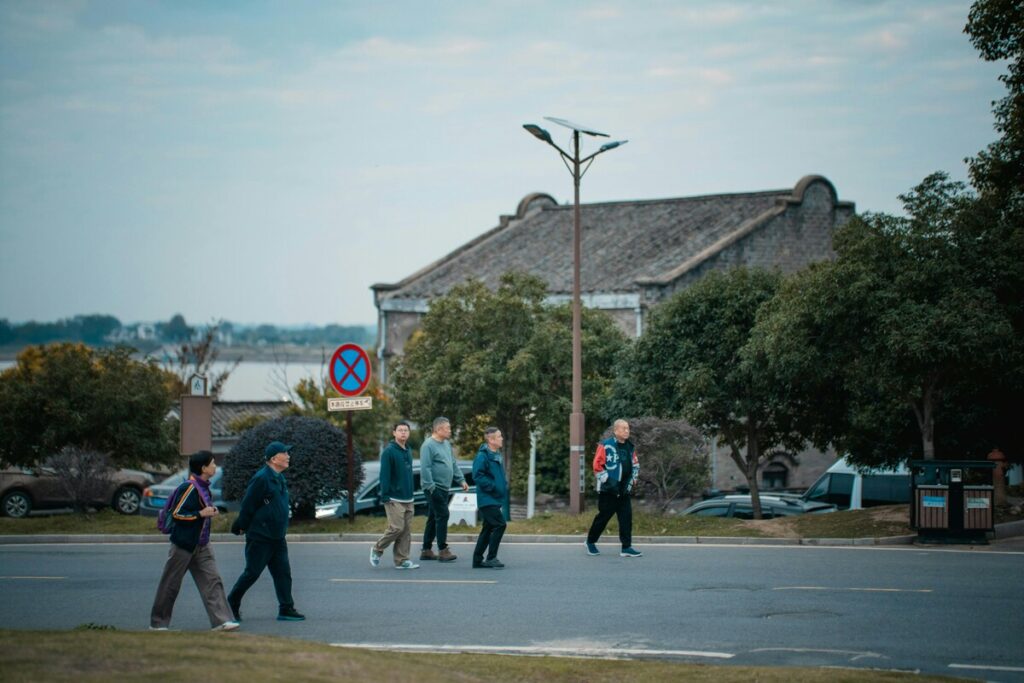
Focusing on shared economic realities can pull us out of tribal exhaustion. We rediscover America’s genuine strength when ordinary people turn toward one another instead of against each other. Neighbors helping neighbors through tough times, in practical, face-to-face ways, has always been more effective than top-down promises.
Imagine communities where families trade skills, support local businesses, and look out for the vulnerable without waiting for permission from Washington. Where voters demand leaders who feel the same cost-of-living pressures and prioritize results over reelection funds. This bottom-up renewal, grounded in mutual aid and accountable governance, offers hope that no political campaign can manufacture.
We do not need perfect national unity to start. We need individuals choosing presence over polarization, service over signaling, and local action over distant rage. By empowering one another daily and insisting on better from those who seek power, we rebuild the foundations of both prosperity and connection. The path out of anxiety begins with us, neighbors, friends, and fellow citizens, looking out for each other, one practical act of kindness and one principled vote at a time.
The economy that keeps us up at night is a shared problem. The communities that can ease that anxiety are already all around us, waiting to be activated.