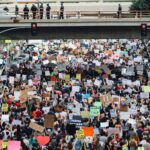


Modern American politics is chaos. Every tweet, post, and headline seems designed to inflame rather than inform. We’ve reached a perilous crossroads. We’ve traded the pursuit of truth for the comfort of tribalism. Extreme ideologies hijack our national discourse.
This isn’t a passing phase. It’s a destructive force eroding the foundations of our democracy. It’s sowing division among families and communities. It’s jeopardizing the future for generations to come.
As we stand in 2026, the scars of recent elections are still fresh. Partisan battles ring louder than ever. It’s time to confront this reality head-on.
Let’s explore how extreme politics is wreaking havoc on our country, why we’ve allowed it to happen, and what it means for our collective tomorrow. But there’s hope. The silent majority of moderates can spark a revolution of reason.
What is Political Tribalism?
Tribalism is the human instinct to band together with people who share our views. In politics, this becomes unwavering loyalty to a party or ideology, regardless of facts. We’ve moved beyond partisanship into something more dangerous: a zero-sum game where admitting fault feels like betrayal.
Remember the early 2020s? Social media algorithms amplified outrage. Echo chambers reinforced biases. Today, those chambers are fortresses.
On the right, extreme voices label any compromise as weakness. Opponents become enemies of the state. On the left, purity tests demand ideological conformity. Deviation meets cancellation. This isn’t a healthy debate. It’s warfare by other means.
How Extreme Politics Hijacks the Conversation
Populist figures thrive on tribal energy. They master the art of framing complex issues in black-and-white terms. They appeal to emotions over evidence. Take immigration, a perennial flashpoint.
Extremists on one side push draconian measures. They paint all migrants as threats, ignoring economic contributions and humanitarian realities.
On the other side, calls for open borders dismiss legitimate concerns about security and resources. What gets lost? Nuanced policies that could secure borders while upholding American values of opportunity.
Instead, we get gridlock in Congress. Bills die not on merit but on tribal lines. The 2024 election cycle proved this. More extreme challengers primaried out candidates who dared cross the aisle. Voters faced polarized choices that alienated the centre.
This is how to fix failures in addressing political division: when moderate voices are silenced before voters even see the ballot.
When Truth Becomes Tribal Currency
Political tribalism doesn’t just polarize. It actively distorts the truth. Facts become malleable tools for tribal warfare. Fake news, deepfakes, and misinformation spread like wildfire because they align with preconceived narratives.
A 2025 Pew Research Center study revealed shocking findings: over 60% of Americans now get news from sources that confirm their biases. That’s up from 40% a decade ago. This creates parallel realities:
- One where climate change is a hoax by global elites
- Another where every corporation is irredeemably evil
When truth is sacrificed, policy suffers. Environmental regulations get gutted or overreached. Economic instability and ecological harm follow. Climate science, overwhelmingly supported by data, gets drowned out by tribal shouts. Action on a crisis affecting us all gets delayed.
The Human Cost of Political Polarization
The dangers of extreme politics extend far beyond Washington, D.C. Dinner tables become battlegrounds. Facebook posts fracture friendships. These are the human costs of abandoning moderate politics. From rural Nevada to urban California, people report increased isolation and anxiety tied to the partisan divide.
A 2026 American Psychological Association report links rising mental health issues to “political stress syndrome.” Constant exposure to extreme rhetoric fuels paranoia and distrust.
Schools become battlegrounds. History and science curricula get politicized to absurdity. Parents on the extremes pull kids from classes over “woke” teachings or “revisionist” history. Educators get caught in the crossfire. Students lose a balanced education.
The economic toll is staggering. Political tribalism fosters uncertainty. Businesses hate uncertainty. When tariffs are imposed or repealed based on tribal whims rather than economic analysis, supply chains suffer. Jobs disappear—inflation spikes.
Trade wars of the late 2010s and early 2020s were warnings. Now, with ongoing debates over tech regulation and energy policy, we see similar disruptions. Renewable energy initiatives stall because one side sees government overreach. The other demands immediate, unrealistic transitions. Meanwhile, fossil fuel dependencies persist, exacerbating energy crises.
Small businesses bear the brunt. Regulatory whiplash makes planning impossible. In Winchester, Nevada, local entrepreneurs in tourism and gaming voice frustration over federal policies swayed by extreme lobbies. Volatile markets. Hesitant investments. Real consequences.
The Future We’re Creating
Perhaps the most alarming consequence? The threat to our future. Political polarization prioritizes short-term wins over long-term sustainability. Debt ceilings become political footballs, risking defaults that could crash global markets. Infrastructure bills, desperately needed to address ageing bridges and grids, languish in partisan purgatory.
Our children inherit mounting debt and a legacy of inaction on critical issues: AI ethics, cybersecurity, and pandemic preparedness. COVID-19 showed us the dangers. Tribal responses to vaccines and masks prolonged the crisis. Lives and livelihoods lost.
Now, with emerging threats like antimicrobial resistance and geopolitical tensions, we’re unprepared. Extremes block bipartisan solutions. Imagine our kids growing up in a nation defined by perpetual conflict rather than progress. Innovation stifled by ideological gatekeepers. Opportunity gated by tribal affiliations. This isn’t hyperbole.
A 2025 Gallup poll revealed that trust in institutions has plummeted to historic lows. Only 25% of Americans express confidence in Congress. This erosion fuels further extremism—a vicious cycle.
Young people, disillusioned, disengage from politics or gravitate toward radical fringes. Voter turnout among millennials and Gen Z dipped in recent midterms. Apathy born of frustration. If we continue trading truth for tribalism, we risk a fractured republic where unity is a relic.
The Hope: The Moderate Majority
Amid this gloom, there’s a beacon of hope. The overwhelming majority of Americans aren’t extremists. Polls consistently show that moderates constitute the bulk of our population. A 2026 Brookings Institution study estimates 60-70% of voters identify as centrist or moderate.
These are reasonable, decent, ordinary folks who value pragmatism over purity. They’re weary of extremes pulling the strings. Teachers. Nurses. Farmers. Engineers. People who want functional government, safe streets, and a fair shot for their families. They’ve been sidelined by a system that amplifies loud voices. But imagine if they rose.
The Moderate Revolution: How to Fix Political Division
We need a revolution of moderates. A grassroots centrist movement that reclaims the center. This isn’t about bland compromise. It’s about bold, evidence-based action.
Support independent candidates. Demand ranked-choice voting to break two-party strangleholds. Engage in cross-aisle dialogues. Use social media not to echo but to educate. Share facts that bridge divides, not deepen them.
Businesses can foster inclusive workplaces free from political litmus tests. Educators can teach critical thinking, empowering the next generation to discern truth from tribal noise. Voters reward leaders who prioritize country over party. Punish those who fan the flames of political tribalism for personal gain.
The moderate politics movement needs organization. Join local groups. Attend town halls. Make your voice heard in spaces dominated by extremes. This is how to fix political division: one conversation, one vote, one community at a time.
The Revolution Won’t Be Televised
This moderate revolution won’t be flashy. It won’t make headlines like rallies or scandals. Cable news won’t cover it breathlessly. But it’s essential. By uniting as moderates, we can overcome the partisan divide. We can rebuild trust. We can secure a future where truth triumphs over tribalism.
Conclusion: Time for Ordinary Americans to Step Up
Political polarization isn’t inevitable. The dangers of extreme politics aren’t unstoppable. We chose this path. We can choose another. The silent majority of centrist Americans holds the power. Not the loudest voices on Twitter. Not the talking heads on cable news. You. Us. Together.
What will we do to push back against political tribalism? Start a conversation with someone you disagree with. Listen without judgment. Find common ground. Support one moderate candidate in your next local election. Show up to town halls—demand evidence-based policies over tribal point-scoring.
Share this post with someone exhausted by the partisan divide. Comment with one issue where you’ve found common ground across the aisle. The moderate revolution begins with ordinary Americans stepping up. Our country depends on it. Our children’s future depends on it. It’s time to trade tribalism for truth.